Quick note before we begin. If any terms feel unfamiliar, see the simple glossary at the end.
If the past few months have felt unusually intense, that is because they have been.
The world is navigating a mix of geopolitical conflict, economic uncertainty, shifting expectations for inflation and interest rates, and ongoing questions about global growth. In that kind of environment, precious metals naturally come into sharper focus.
Gold, silver and platinum have all seen major moves already this year. After the dramatic rally into late February and early March, prices have recently pulled back, reminding investors that even in supportive environments, markets rarely move in a straight line. As of 23 March, gold was trading around US$4360 per ounce, silver around US$67 and platinum around US$1840 per ounce.
To understand what is happening now, it helps to step back and look at the bigger picture.
A World Still Full of Uncertainty
One of the clearest themes in markets today is that uncertainty has not gone away. If anything, it has become more layered.
The conflict in the Middle East has added a fresh source of instability to an already fragile global backdrop. That has helped reignite safe-haven interest in precious metals, particularly gold, at a time when investors are already weighing inflation risks, slowing growth in parts of the global economy, and the longer-term resilience of the financial system.
At the same time, precious metals are not driven by geopolitics alone. They are also influenced by interest rate expectations, currency movements, bond yields, investor positioning, and broader risk sentiment. That is why markets can react sharply to the same event in different ways over a short period of time.
This is one of the defining features of the current environment. The underlying backdrop remains supportive for precious metals, but the path is proving volatile.
Gold: Strong Long-Term Support, Short-Term Consolidation
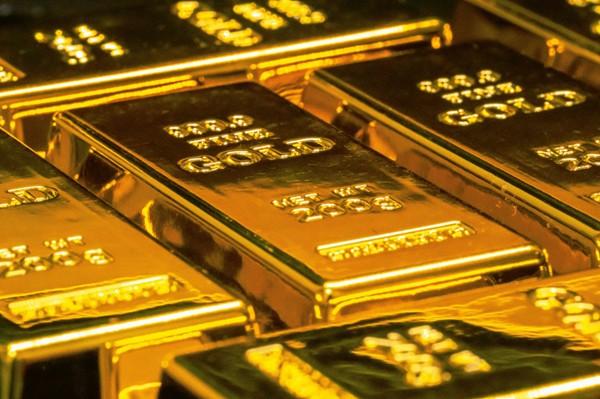
Gold remains the clearest barometer of global unease.
After a strong rally through late February and into early March, gold moved back toward record territory, briefly rising above US$5,200 per ounce earlier this month before easing back. Since 10 March, the market has shown signs of consolidating, with prices breaching the US$5,000 level and dropping to $4,400.
That may sound dramatic, but it is important to keep perspective. Pullbacks after strong rallies are normal. They often reflect profit-taking, a temporary easing in momentum, or investors adjusting positions after sharp moves.
From where we sit, the bigger picture for gold still matters more than the day-to-day swings. The same core forces that have supported gold over recent years remain in place:
- geopolitical tension;
- economic uncertainty;
- questions around long-term currency stability; and
- and continued interest in tangible stores of value.
What has changed more recently is not the broader backdrop, but short-term sentiment. Markets have moved from momentum to pause.
Silver: Still Volatile, Still Pulled in Two Directions
Silver continues to behave like the most emotionally charged metal in the group.
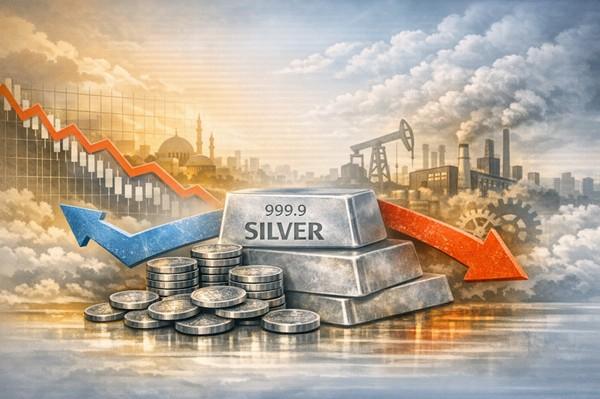
It has the safe-haven qualities of a precious metal, but also meaningful industrial exposure. That gives it a dual personality. When investor demand is strong, silver can move sharply higher. But when economic concerns rise, its industrial sensitivity can also create turbulence.
Silver reached exceptionally high levels earlier in the cycle, and while it remains elevated by historical standards, recent price action suggests the market is now reassessing how much of that move can be sustained in the short term. As of 23 March, silver was trading around US$67 per ounce, with recent trading indicating softer momentum and support levels being tested.
There are also signs that very high prices have started to cool some fabrication demand in the near term, even while longer-term investor interest remains intact.
That tension is what makes silver so interesting. It is being pulled in two directions at once:
- by long-term investor interest in precious metals; and
- by short-term questions around industrial demand, positioning and economic growth.
That can make for a volatile mix, but it also explains why silver often moves more sharply than gold in both directions.
Platinum: The Industrial Lens Matters More
Platinum tells a slightly different story again.
Unlike gold, platinum is driven less by monetary sentiment and more by industrial conditions. That means it can benefit from broader precious metals strength, but it is also more exposed to concerns about slowing growth and softer manufacturing demand.
Platinum had a strong run earlier this year, but like gold and silver, it has recently eased. As of 23 March, platinum was trading around US$1840 per ounce, with near-term price action showing some weakness after peaking earlier in the month.
This highlights platinum’s unique position. It is precious, rare and investable, but it is also closely tied to real-world industrial activity. In a world where growth signals are mixed, that makes platinum more cyclical than gold.

What This Moment Says About Precious Metals
If there is one word that best captures the current environment, it is recalibration.
Markets are no longer in the same euphoric phase that characterised parts of late 2025 and early 2026. Some of the froth has come out. Momentum has cooled. Investors are weighing the next phase more carefully.
But the backdrop remains meaningful:
- geopolitical tensions are elevated;
- inflation concerns have not fully gone away;
- confidence in traditional financial assets is not absolute;
- many investors still see precious metals as an important part of the broader picture
From our perspective, this feels less like the end of a story and more like a pause within it.
Short-term moves can be sharp, especially after rallies of this scale. But precious metals do not need perfectly calm conditions to remain relevant. In many ways, it is the opposite. Their role tends to become clearer when the world feels less predictable.
The Bigger Picture
Precious metals are not immune to volatility. They can and do pull back, sometimes sharply. But periods like this are also a reminder of why they remain relevant in the first place.
They sit at the intersection of trust, uncertainty, scarcity and real-world value.
Gold tends to respond most directly to questions of confidence in the financial system. Silver reflects both investment sentiment and industrial demand. Platinum adds another layer, with its fortunes tied more closely to manufacturing and supply-side realities.
Together, they offer a useful window into what the market is worrying about and what it is preparing for.
Right now, the message seems to be this: the world is not settling down just yet, and precious metals continue to reflect that unease.

Glossary:
Safe-Haven Asset
An asset investors often move into during times of uncertainty or market stress, because it is seen as more stable or reliable.
Support Level
A price level where an asset has historically found buying interest, making it less likely to fall further unless that support breaks.
Fabrication Demand
Demand for a metal used in making products such as jewellery, electronics, solar panels or automotive parts.
Investor Positioning
The way investors are currently allocated in a market, including whether they are heavily buying, selling, or holding back.
Safe-Haven Demand
Buying interest that increases when investors become more concerned about war, instability, inflation or financial market stress.
Store of Value
An asset that people use to preserve wealth over time, especially during periods when currencies or financial markets feel less certain.
Disclaimer
This article is for informational purposes only and does not constitute financial advice. Investors should seek independent financial advice before making any investment decisions.